
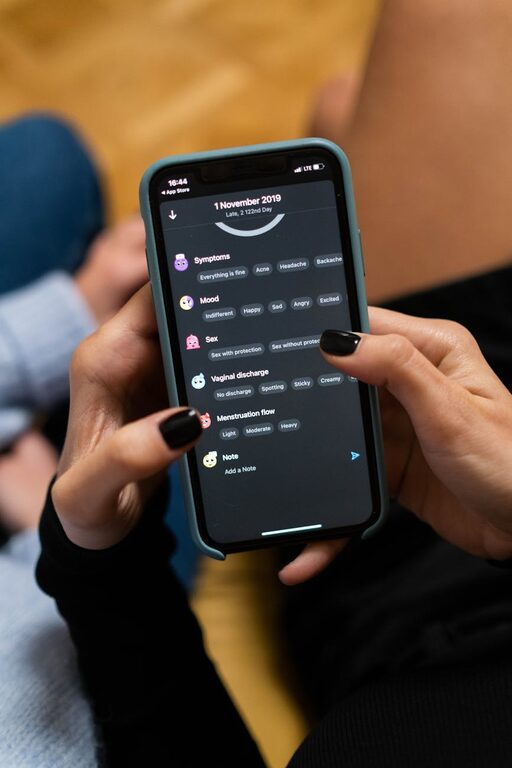
In today’s connected world, smartphones have become an essential part of our daily routines. They help us stay in touch, navigate, work, and entertain ourselves. However, excessive or unmindful phone use can sometimes affect our focus, relationships, and overall well-being. Cultivating healthy phone habits is a simple yet effective way to take back control and create a balanced, productive lifestyle.
In this blog post, we will explore practical strategies to help you maintain healthier phone habits without sacrificing convenience or connectivity.
Why Healthy Phone Habits Matter
Before diving into tips, it helps to understand why managing phone use is important:
– Improved focus: Constant notifications and app switching can fragment attention, reducing productivity.
– Better sleep: Exposure to blue light and late-night scrolling can disrupt sleep patterns.
– Stronger relationships: Being fully present during conversations without phone distractions strengthens connections.
– Reduced stress: Mindful use prevents feelings of overwhelm from information overload.
– Physical well-being: Minimizing screen time cuts down on eye strain and poor posture.
With these benefits in mind, let’s explore actionable ways to create and maintain healthy phone habits.
Set Clear Boundaries for Phone Use
Designate Phone-Free Times and Zones
Creating specific blocks of time or areas where phone use is limited helps build discipline and presence.
– During meals: Keep phones away to enjoy food and conversation.
– Before bedtime: Avoid screens at least 30 minutes before sleep.
– Work sessions: Use “Do Not Disturb” modes during focused work.
– In social settings: Prioritize face-to-face interaction over phone checking.
Schedule Regular Breaks from Your Phone
Try setting timers for focused phone usage or use apps that encourage screen breaks. For example:
– The Pomodoro technique (25 minutes work, 5 minutes break) can be adapted for phone use.
– Use built-in smartphone features like Screen Time (iPhone) or Digital Wellbeing (Android) to track and limit use.
Manage Notifications for Less Distraction
Constant notifications can dangle attention and encourage frequent phone pickups.
– Disable non-essential notifications: Keep alerts only for important contacts or apps.
– Use silent or vibration modes: Reduce sound distractions in meetings or public places.
– Batch check notifications: Instead of reacting immediately, check updates at designated times.
Organize Your Phone for Efficiency
A cluttered home screen or app overload can tempt mindless scrolling.
– Declutter apps: Delete or archive apps you rarely use.
– Organize apps into folders: Group similar apps together to find what you need faster.
– Prioritize essential apps: Position most-used, productive apps on your main screen.
– Turn off auto-play features: Videos or stories that play automatically encourage longer use.
Practice Mindful Phone Usage
Mindfulness helps you stay aware of why, when, and how you use your phone.
– Set clear intentions: Before unlocking your phone, ask yourself what you want to accomplish.
– Avoid multitasking: Focus on one task or app at a time instead of jumping around.
– Monitor your feelings: Notice if you feel anxious, bored, or restless when using your phone and adjust accordingly.
– Take deep breaths: Pause occasionally to breathe and re-center your attention.
Use Technology to Your Advantage
Ironically, technology can help create better phone habits through various tools:
– Screen time trackers: Monitor your daily usage patterns.
– Focus apps: Temporarily block distracting apps or websites.
– Grayscale mode: Reduce screen attractiveness by turning your display to black-and-white.
– Night mode or blue light filters: Decrease eye strain in low light.
Replace Phone Time with Positive Activities
Filling time with enriching alternatives lessens dependence on your phone.
– Physical exercise: Go for a walk, stretch, or try yoga.
– Reading: Pick up a physical book or magazine.
– Hobbies: Engage in creative activities like drawing, cooking, or gardening.
– Socializing: Meet friends or family in person regularly.
– Mindfulness or meditation: Spend time focusing on breath or sensations.
Tips for Parents: Encouraging Healthy Phone Habits in Children
For parents, modeling and teaching healthy phone usage is key.
– Set clear rules and limits around screen time.
– Encourage offline play and physical activities.
– Use parental controls if needed.
– Have regular device-free family times.
Conclusion
Smartphones are wonderful tools when used mindfully. By setting boundaries, managing distractions, and practicing intentional use, you can maintain healthy phone habits that support your well-being and productivity. Start with small changes today and enjoy a balanced digital life that complements your everyday activities.
Remember, the goal is not to eliminate phone use but to make your interactions with technology more meaningful and controlled. Happy healthy phoning!
