
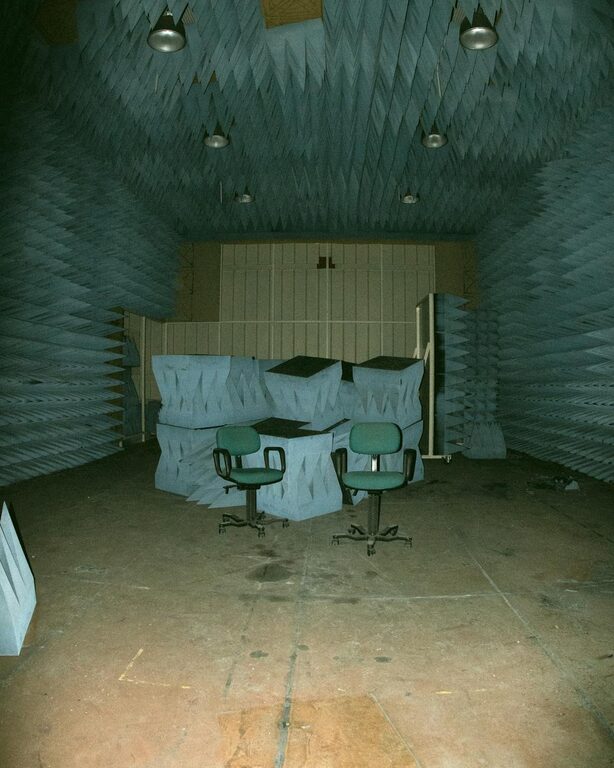
Creating a calm and quiet living space can greatly improve your comfort and well-being. Whether you live in a busy city or a lively neighborhood, noise can become an unwelcome distraction. Fortunately, there are simple and practical ways to reduce noise at home without extensive renovations or costly materials. In this post, we’ll explore effective strategies to help you enjoy a quieter environment.
Understanding Noise and Its Impact
Before diving into solutions, it helps to understand what causes noise and why reducing it matters. Common sources of noise include traffic, neighbors, appliances, pets, and even echoes within a room. Excessive noise can disrupt sleep, increase stress levels, and hinder concentration. By addressing these sounds, you can create a more peaceful atmosphere.
Assessing Your Noise Sources
Start by identifying the types and sources of noise that affect your home the most. Listen carefully in different rooms and at various times of day. Make notes of noises like:
– Outside traffic or construction
– Loud neighbors or communal areas
– Indoor sounds such as TVs, music, or chatter
– Appliances like washing machines or air conditioners
– Echoes from bare walls or floors
Understanding the problem will help you choose the right noise reduction approaches.
Simple Tips to Reduce Noise Indoors
1. Use Soft Furnishings to Absorb Sound
Hard surfaces like tile floors, bare walls, and windows reflect sound, causing echoes and amplifying noise. Introducing soft materials absorbs sound waves and reduces overall noise.
– Add rugs or carpets to floors
– Use thick curtains or drapes on windows
– Incorporate upholstered furniture and cushions
– Hang tapestries or fabric wall art
These items help muffle sound without expensive soundproofing.
2. Seal Gaps Around Doors and Windows
Noise often enters from outside through small gaps. Check for spaces around door frames, window sashes, and vents.
– Use weatherstripping or foam tape to seal gaps
– Install door sweeps at the bottom of doors
– Consider double-glazed windows for better insulation
Sealing gaps helps block unwanted sounds and improves energy efficiency too.
3. Rearrange Furniture Strategically
Furniture can act as a barrier to noise.
– Place bookshelves or large cabinets against shared walls
– Position sofas and chairs away from noisy windows or doors
– Use room dividers or screens to break up sound paths
This simple rearrangement can reduce the distance and intensity of noise.
4. Use White Noise Machines or Fans
If external noises are bothersome, white noise machines can mask unwanted sounds by producing a consistent, soothing ambient sound. Alternatively:
– Use a small fan or air purifier for gentle background noise
– Play calming music or natural sounds at low volume
These methods help your brain focus and reduce distractions.
5. Manage Electronic Noise Sources
Many household devices create buzzing or humming sounds.
– Choose quiet models for appliances and electronics when buying
– Place noisy devices away from common areas or sleeping spaces
– Power down equipment when not in use
Minimizing electronic noise lowers the overall sound level.
Exploring Additional Soundproofing Options
If simple measures aren’t enough, you might consider some moderately more involved techniques.
1. Install Acoustic Panels
Acoustic panels are designed to absorb sound and reduce echo. They can be mounted on walls or ceilings and come in various sizes and colors to blend with your décor. This is especially helpful in home offices, media rooms, or bedrooms.
2. Use Soundproof Curtains or Window Inserts
Thicker, soundproof curtains block outside noise more effectively than regular drapes. For windows, inserts fit inside the window frame and create an extra layer of insulation against sound.
3. Add Door and Wall Treatments
Heavy doors with soundproof seals prevent noise from traveling between rooms. Similarly, adding drywall layers or mass-loaded vinyl to walls adds density and blocks sound transmission.
Creating Quiet Zones in Your Home
Sometimes absolute silence is difficult to achieve, but you can create specific quiet zones where noise is minimized.
– Designate a room or corner as a relaxation or study area
– Use rugs, plants, and furniture to create a cozy, sound-absorbing space
– Limit noise-producing activities in these areas
Establishing peaceful zones helps balance busy home environments.
Tips for Long-Term Noise Management
– Communicate with neighbors about noise concerns politely
– Maintain appliances and HVAC systems for quieter operation
– Regularly check and replace weatherstripping and seals
– Consider landscaping with shrubs or trees as natural sound barriers outdoors
Consistent attention to noise sources and prevention methods keeps your home calm over time.
Conclusion
Reducing noise at home doesn’t have to be complicated or expensive. By making thoughtful changes like adding soft furnishings, sealing gaps, rearranging furniture, and considering soundproofing options, you can create a more comfortable, peaceful living environment. These simple steps not only improve your everyday comfort but also promote better sleep, focus, and relaxation. Start with small changes and notice the difference a quieter home can make!
—
Noise reduction is about making your space work better for you. With these practical tips anyone can start enjoying a calmer home today.
